
Silage
Preparation, Storage & Importance in Livestock Farming
Silage is a preserved fodder material made from suitable green crops through a controlled fermentation process. It allows harvested crops to be stored for later use and helps farms plan fodder availability beyond the immediate growing season.
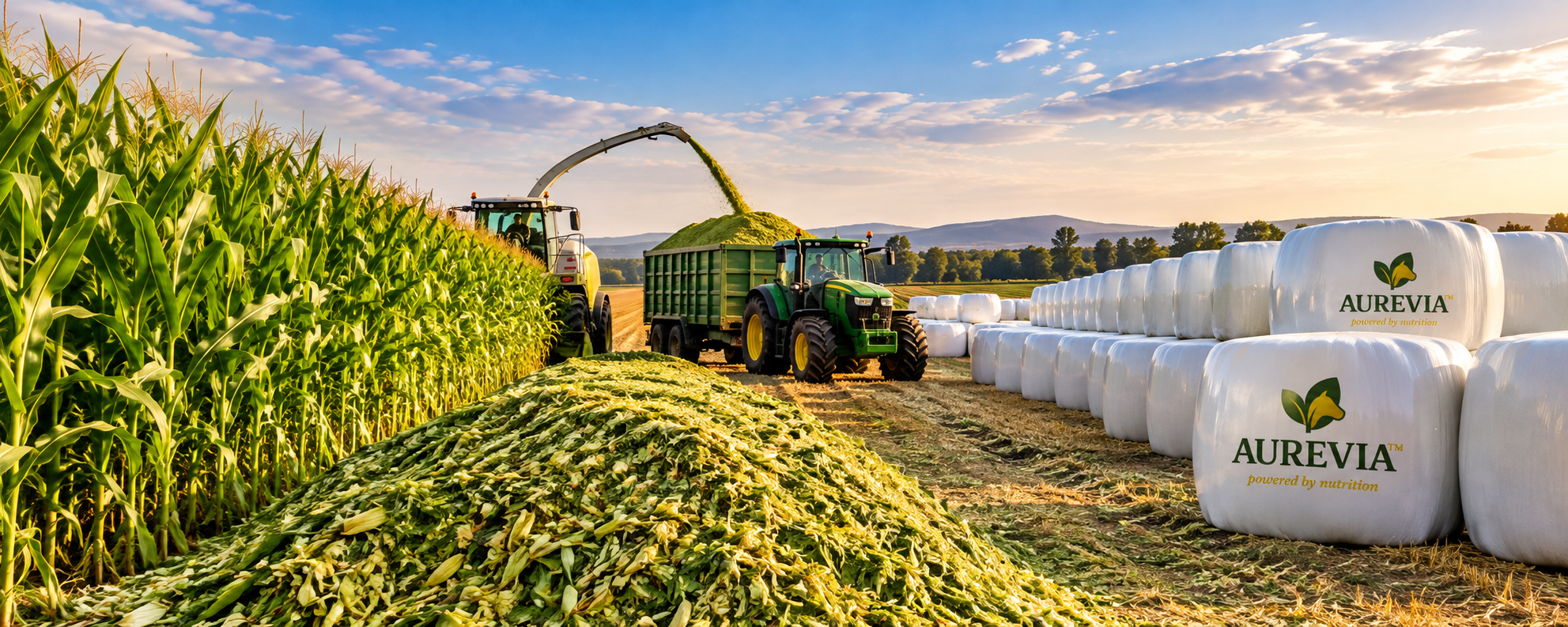
Corn Silage is a commonly used example, produced from maize plants and preserved under appropriate conditions. Understanding silage preparation, storage, and handling is important for maintaining product quality and reducing avoidable losses.
1. What Is Silage?
Silage is produced by preserving fresh plant material under conditions that encourage fermentation. Suitable crops are harvested, prepared, and stored in an airtight environment to support the preservation process.
Maize is widely used for silage, while other suitable forage crops may also be preserved using appropriate methods. The final product’s condition depends on crop selection, preparation, moisture management, and storage practices.
2. How Is Silage Prepared?
Silage preparation involves several important steps that influence the preservation process.
Crop Selection: Choose suitable forage crops at an appropriate stage of maturity.
Harvesting & Chopping: Harvest the crop and chop it into suitable pieces for effective packing.
Compaction: Pack the material properly to remove as much trapped air as practical.
Sealing: Cover and seal the stored material to limit air entry and support fermentation.
Preservation: Maintain suitable storage conditions while the crop undergoes fermentation.
Careful preparation and effective sealing help reduce spoilage and support consistent preservation.
3. Importance of Proper Silage Storage
Storage plays a major role in maintaining silage condition. Exposure to air, damaged covers, or poorly sealed storage areas can lead to deterioration and unwanted microbial growth.
Silage should be kept in a properly sealed pit, bunker, bag, or other suitable storage system. Once opened, the exposed surface should be managed carefully to limit unnecessary air exposure.
Regular checks for damaged covers, unusual odours, visible mould, and other signs of spoilage help identify potential problems before the material is used.
4. Common Silage Quality Challenges
Several factors can affect the condition of stored silage.
Air Entry: Inadequate compaction or damaged covers can allow oxygen to enter and encourage spoilage.
Incorrect Crop Preparation: Harvesting at an unsuitable stage or using inappropriate preparation methods can affect fermentation and storage stability.
Poor Storage Conditions: Water ingress, damaged seals, and improper handling can compromise the preserved material.
Delayed Management: Leaving opened silage exposed for too long can increase deterioration, particularly under warm conditions.
Attention to preparation, sealing, and regular inspection helps reduce these risks.
5. Handling Silage for Livestock Feeding
Before use, silage should be assessed for its appearance, smell, and overall condition. Material showing visible mould, unusual odours, or clear signs of spoilage should not be fed without appropriate assessment.
Silage should be incorporated into a balanced feeding programme according to the livestock species and their nutritional requirements. Suitable professional guidance can help determine its appropriate use alongside other feed materials.
Conclusion
Silage provides a way to preserve suitable green crops for later use in livestock feeding systems. Its condition depends on crop selection, harvesting, preparation, effective sealing, and careful storage management.
Understanding these practices helps farmers manage preserved fodder more effectively, protect stored materials, and plan their seasonal feeding resources.